

22 ਅਕਤੂ 2025·8 ਮਿੰਟ
2026 ਵਿੱਚ ਸਹੀ ਬੈਕਐਂਡ ਪ੍ਰੋਗ੍ਰਾਮਿੰਗ ਭਾਸ਼ਾ ਕਿਵੇਂ ਚੁਣੀਏ
Node.js, Python, Java, Go, .NET ਅਤੇ Ruby ਦੀ ਤੁਲਨਾ ਕਰੋ। ਕਾਰਗਿਰਤਾ, hiring, tooling, scaling ਅਤੇ ਲੰਬੇ ਸਮੇਂ ਦੀ maintenance ਦੇ trade-offs ਸਿੱਖੋ।
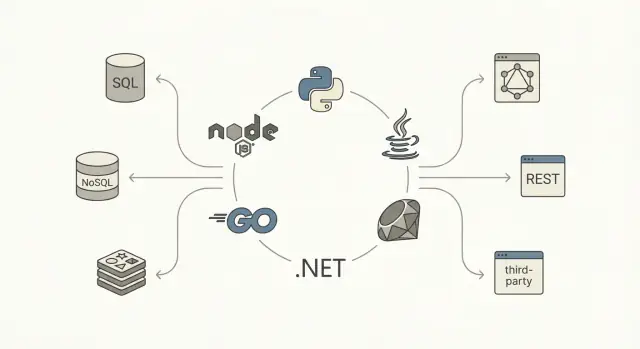
Node.js, Python, Java, Go, .NET ਅਤੇ Ruby ਦੀ ਤੁਲਨਾ ਕਰੋ। ਕਾਰਗਿਰਤਾ, hiring, tooling, scaling ਅਤੇ ਲੰਬੇ ਸਮੇਂ ਦੀ maintenance ਦੇ trade-offs ਸਿੱਖੋ।
“Best backend language” ਆਮ ਤੌਰ 'ਤੇ ਇਹ ਦਰਸਾਉਂਦਾ ਹੈ “ਉਹ ਸਭ ਤੋਂ ਵਧੀਆ ਫਿੱਟ ਜੋ ਮੈਂ ਬਣਾਇਆ ਹੋਇਆ ਕੰਮ, ਮੇਰੀ ਟੀਮ ਅਤੇ ਮੇਰੀਆਂ ਪਾਬੰਦੀਆਂ ਨਾਲ ਹੋਵੇ।” ਇਕ ਭਾਸ਼ਾ ਇਕ ਬੈਕਐਂਡ ਵਾਲੇ ਕੰਮ ਲਈ ਬਹੁਤ موزੂਨ ਹੋ ਸਕਦੀ ਹੈ ਅਤੇ ਕਿਸੇ ਹੋਰ ਲਈ ਘੱਟ—ਭਾਵੇਂ ਉਹ ਲੋਕਪ੍ਰਿਆ, ਤੇਜ਼ ਜਾਂ ਟੀਮ-ਪਸੰਦ ਹੋਵੇ।
Node.js backend vs Python backend vs Java backend (ਆਦਿ) ਦੀ ਤੁਲਨਾ ਕਰਨ ਤੋਂ ਪਹਿਲਾਂ, ਆਪਣੇ ਬੈਕਐਂਡ ਦਾ ਅਸਲ ਕੰਮ ਨਾਂ ਲਗਾਓ:
ਵੱਖ-ਵੱਖ ਲਕੜੀਆਂ performance vs productivity ਵਿਚ ਵੱਖ-ਵੱਖ ਭਾਰ ਵਧਾਉਂਦੀਆਂ ਹਨ। ਇਕ ਭਾਸ਼ਾ ਜੋ CRUD API ਲਈ ਤੇਜ਼ feature delivery ਹਾਸਲ ਕਰਾਏ, ਉਹ high-throughput streaming ਜਾਂ low-latency ਸਿਸਟਮ ਲਈ ਧੀਮੀ ਹੋ ਸਕਦੀ ਹੈ।
ਬੈਕਐਂਡ ਪ੍ਰੋਗ੍ਰਾਮਿੰਗ ਭਾਸ਼ਾ ਚੁਣਨਾ ਅਕਸਰ features ਤੋਂ ਵੱਧ ਪਾਬੰਦੀਆਂ ਨਾਲ ਫੈਸਲਾ ਹੁੰਦਾ ਹੈ:
2026 ਵਿੱਚ ਕੋਈ ਇਕ ਸਿੰਗਲ “ਸਰਵੋਤਮ” ਬੈਕਐਂਡ ਭਾਸ਼ਾ ਨਹੀਂ ਹੈ—ਸਿਰਫ਼ trade-offs ਹਨ। Ruby on Rails ਪ੍ਰੋਡਕਟ ਬਣਾਉਣ ਦੀ ਰਫ਼ਤਾਰ ਲਈ ਜਿੱਤ ਸਕਦੀ ਹੈ, Go operational ਸਾਦਗੀ ਲਈ ਜਿੱਤ ਸਕਦਾ ਹੈ, Java mature ecosystem ਅਤੇ enterprise tooling ਲਈ ਜਿੱਤ ਸਕਦੀ ਹੈ, ਅਤੇ Node.js real-time ਅਤੇ full-stack JavaScript alignment ਲਈ ਜਿੱਤ ਸਕਦਾ ਹੈ।
ਇਸ ਗਾਈਡ ਦੇ ਅੰਤ ਤੱਕ, ਤੁਸੀਂ ਕਿਸੇ ਭਾਸ਼ਾ ਨੂੰ ਭਰੋਸੇ ਨਾਲ ਚੁਣ ਸਕਣੇ ਹੋਵੋਗੇ—ਜੋ ਕਿ hype ਜਾਂ ਰੇਂਕਿੰਗਾਂ ਦੀ ਬਜਾਏ ਤੁਹਾਡੇ ਵਰਕਲੋਡ, ਪਾਬੰਦੀਆਂ ਅਤੇ ਲੰਬੇ ਸਮੇਂ ਦੀ ownership ਨਾਲ ਮੇਲ ਖਾਂਦੀ ਹੋਵੇ।
ਭਾਸ਼ਾ ਚੁਣਨਾ ਘੱਟ ਇਸ ਗੱਲ ਬਾਰੇ ਹੈ ਕਿ “ਕੀ ਸਭ ਤੋਂ ਵਧੀਆ ਹੈ” ਅਤੇ ਵੱਧ ਇਸ ਗੱਲ ਬਾਰੇ ਹੈ ਕਿ ਤੁਹਾਡੇ ਖਾਸ ਨਤੀਜੇ ਕੀ optimise ਕਰਦੇ ਹਨ। Node.js backend ਨੂੰ Python backend ਨਾਲ ਜਾਂ Java backend ਨਾਲ ਤੁਲਨਾ ਕਰਨ ਤੋਂ ਪਹਿਲਾਂ ਮਾਪਦੰਡ ਸਪਸ਼ਟ ਕਰੋ—ਨਹੀਂ ਤਾਂ ਤੁਸੀਂ preference ਦੀ ਲੜਾਈ ਕਰੋਗੇ ਨਾ ਕਿ ਫੈਸਲਾ।
ਇੱਕ ਛੋਟੀ ਲਿਸਟ ਨਾਲ ਸ਼ੁਰੂ ਕਰੋ ਜਿਸ ਨੂੰ ਤੁਸੀਂ ਅਸਲ ਵਿੱਚ ਸਕੋਰ ਕਰ ਸਕੋ:
ਕੋਈ domain-specific ਲੋੜਾਂ (ਜਿਵੇਂ real-time features, heavy data processing, ਜਾਂ strict compliance) ਨੂੰ ਹੋਰ ਮਾਪਦੰਡ ਵਜੋਂ ਜੋੜੋ।
TCO ਉਸ ਸਿਸਟਮ ਨੂੰ ਬਣਾਉਣ ਅਤੇ ਰੱਖਣ ਦੀ ਮਿਲੀ ਜੁਲੀ ਲਾਗਤ ਹੈ:
ਇੱਕ ਭਾਸ਼ਾ ਜੋ prototype ਨੂੰ ਤੇਜ਼ ਕਰਦੀ ਹੈ, ਮਹਿੰਗੀ ਪੜ ਸਕਦੀ ਹੈ ਜੇ ਇਹ frequent incidents ਜਾਂ mushkil-to-change code ਨੂੰ ਜਨਮ ਦੇਵੇ।
ਕੁਝ ਪਾਬੰਦੀਆਂ ਨਾ-ਬਦਲੀਆਂ ਹੁੰਦੀਆਂ ਹਨ, ਤੇ इन्हਾਂ ਨੂੰ ਪਹਿਲਾਂ ਹੀ surface ਕਰਨਾ ਚਾਹੀਦਾ ਹੈ:
ਹਰ criterion ਨੂੰ ਇੱਕੋ ਹੀ ਮਹੱਤਵ ਨਾ ਦਿਓ। ਜੇ ਤੁਸੀਂ market validate ਕਰ ਰਹੇ ਹੋ ਤਾਂ time-to-market ਨੂੰ ਵਧੀਆ ਤਰਜੀਹ ਦਿਓ। ਜੇ ਤੁਸੀਂ ਇੱਕ ਲੰਬੇ ਸਮੇਂ ਵਾਲਾ internal platform ਬਣਾ ਰਹੇ ਹੋ ਤਾਂ maintainability ਅਤੇ operational stability ਨੂੰ ਵਧੀਆ ਤਰਜੀਹ ਦਿਓ। ਇਕ ਸਧਾਰਣ weighted scorecard ਗੱਲ-ਬਾਤ ਨੂੰ ਜ਼ਮੀਨੀ ਰੱਖਦਾ ਹੈ ਅਤੇ trade-offs ਨੂੰ ਸਪਸ਼ਟ ਬਣਾਉਂਦਾ ਹੈ।
syntax ਜਾਂ benchmarks ਨਾਲੋਂ ਪਹਿਲਾਂ ਲਿਖੋ ਕਿ ਤੁਹਾਡੇ ਬੈਕਐਂਡ ਨੂੰ ਕੀ ਕਰਨਾ ਹੈ ਅਤੇ ਇਹ ਕਿਸ ਤਰ੍ਹਾਂ ਬਣਿਆ ਹੋਵੇਗਾ। ਭਾਸ਼ਾਵਾਂ ਉਹ ਸਮੇਂ “ਸਰਵੋਤਮ” ਦਿਖਦੀਆਂ ਹਨ ਜਦੋਂ ਉਹ ਉਸ ਵਰਕਲੋਡ ਅਤੇ ਆਰਕੀਟੈਕਚਰ ਨਾਲ ਮਿਲਦੀਆਂ ਹਨ ਜੋ ਤੁਸੀਂ ਅਸਲ ਵਿੱਚ ਬਣਾ ਰਹੇ ਹੋ।
ਜਿਆਦਾਤਰ ਬੈਕਐਂਡ ਮਿਕਸ ਹੁੰਦੇ ਹਨ, ਪਰ dominant ਕੰਮ ਮਾਣਦਾ ਹੈ:
ਜੇ ਤੁਹਾਡੀ ਸਿਸਟਮ ਮੁੱਖ ਤੌਰ 'ਤੇ I/O-bound ਹੈ, concurrency primitives, async tooling, ਅਤੇ ergonomics ਅਕਸਰ ਕੱਚੀ ਗਤੀ ਤੋਂ ਜ਼ਿਆਦਾ ਮਾਈਨਿੰਗ ਰੱਖਦੇ ਹਨ। ਜੇ ਇਹ CPU-bound ਹੈ, predictable performance ਅਤੇ ਆਸਾਨ parallelism ਉਪਰ ਆ ਜਾਇਗਾ।
Traffic shape ਭਾਸ਼ਾ 'ਤੇ ਵਿਅਭਿੰਨ ਦਬਾਅ ਪਾਉਂਦਾ ਹੈ:
ਫਿਰ global latency expectations ਅਤੇ SLA ਨੋਟ ਕਰੋ ਜੋ ਤੁਸੀਂ ਲਕੜ ਰਹੇ ਹੋ। ਇੱਕ 99.9% API SLA ਅਤੇ ਕੱਢੇ p95 latency ਲਕੜੀਆਂ ਤੁਹਾਨੂੰ ਭਰੋਸੇਮੰਦ runtimes, ਮਜ਼ਬੂਤ tooling, ਅਤੇ ਸਾਬਤ deployment patterns ਵੱਲ ਧੱਕੇਗਾ।
ਆਪਣਾ data path ਦਰਜ ਕਰੋ:
ਆਖਿਰ ਵਿੱਚ integrations ਦੀ ਲਿਸਟ ਬਣਾਓ: ਤੀਜੀਆਂ APIs, messaging/queues (Kafka, RabbitMQ, SQS), ਅਤੇ background jobs। ਜੇ async ਕੰਮ ਅਤੇ queue consumers ਕੇਂਦਰੀ ਹਨ, ਤਾਂ ਉਹ ਭਾਸ਼ਾ/ecosystem ਚੁਣੋ ਜਿੱਥੇ workers, retries, idempotency patterns, ਅਤੇ monitoring ਪਹਿਲੀ ਦਰਜੇ ਦੇ ਹਨ—ਬਾਅਦ ਦੀ ਸੋਚ ਨਾ ਬਣਨ।
Performance ਇੱਕ ਸਿੰਗਲ ਨੰਬਰ ਨਹੀਂ। ਬੈਕਐਂਡ ਲਈ, ਇਹ ਆਮ ਤੌਰ 'ਤੇ latency (ਇੱਕ ਰਿਕਵੈਸਟ ਕਿੰਨੀ ਤੇਜ਼ੀ ਨਾਲ ਮੁਕੰਮਲ ਹੁੰਦੀ ਹੈ), throughput (ਪ੍ਰਤੀ ਸਕਿੰਟ ਕਿੰਨੀਆਂ ਰਿਕਵੈਸਟਸ), ਅਤੇ resource usage (CPU, memory, ਤੇ ਕਈ ਵਾਰੀ network/IO) 'ਚ ਟੁੱਟਦਾ ਹੈ। ਭਾਸ਼ਾ ਅਤੇ runtime ਸਾਰੇ ਤਿੰਨ 'ਤੇ ਅਸਰ ਪਾਂਦੇ ਹਨ—ਅਕਸਰ ਇਸ ਤੇ ਕਿ ਉਹ ਕੰਮ ਕਿਵੇਂ schedule ਕਰਦੇ ਹਨ, memory manage ਕਰਦੇ ਹਨ, ਅਤੇ blocking operations ਨੂੰ ਕਿਵੇਂ ਹੈਂਡਲ ਕਰਦੇ ਹਨ।
ਇੱਕ ਭਾਸ਼ਾ ਜੋ microbenchmarks ਵਿੱਚ ਤੇਜ਼ ਦਿਸਦੀ ਹੈ, ਲੋਡ ਹੇਠ tail latency (p95/p99) ਵਿੱਚ buri ਹੋ ਸਕਦੀ ਹੈ—ਅਕਸਰ contention, blocking calls, ਜਾਂ memory pressure ਕਾਰਨ। ਜੇ ਤੁਹਾਡੀ ਸੇਵਾ I/O-heavy ਹੈ (DB, cache, HTTP calls), ਤਾਂ ਸਭ ਤੋਂ ਵੱਡੇ ਫਾਇਦੇ waiting ਘਟਾਉਣ ਅਤੇ concurrency ਸੁਧਾਰਨ ਤੋਂ ਮਿਲਦੇ ਹਨ, ਨਾ ਕਿ ਸੱਕੜਿਆਂ ਨੈਨੋਸੈਕੰਡ ਘਟਾਉਣ ਨਾਲ।
ਵੱਖ-ਵੱਖ ecosystem ਵੱਖ-ਵੱਖ approaches ਧਕੇ ਦਿੰਦੇ ਹਨ:
GC-managed runtimes developer productivity ਵਧਾ ਸਕਦੇ ਹਨ, ਪਰ allocation rate ਅਤੇ heap growth tail latency 'ਤੇ pauses ਜਾਂ collection ਲਈ ਵੱਧ CPU ਕੰਮ ਦੇ ਕੇ ਅਸਰ ਪਾ ਸਕਦੇ ਹਨ। ਤੁਹਾਨੂੰ GC ਦਾ expert ਹੋਣ ਦੀ ਲੋੜ ਨਹੀਂ—ਸਿਰਫ ਇਹ ਜਾਣੋ ਕਿ “ਵੱਧ allocations” ਅਤੇ “ਵੱਡੇ objects” ਸਕੇਲ ਤੇ performance ਸਮੱਸਿਆ ਬਣ ਸਕਦੇ ਹਨ।
ਫੈਸਲਾ ਕਰਨ ਤੋਂ ਪਹਿਲਾਂ, ਕੁਝ representative endpoints ਨੂੰ ਲਾਗੂ (ਜਾਂ prototype) ਕਰੋ ਅਤੇ ਮਾਪੋ:
ਇਸਨੂੰ ਇੱਕ engineering experiment ਮਾਨੋ, guess ਨਹੀਂ। ਤੁਹਾਡੇ ਵਰਕਲੋਡ ਦਾ IO, compute, ਅਤੇ concurrency ਮਿਕਸ “ਸਭ ਤੋਂ ਤੇਜ਼” ਭਾਸ਼ਾ ਨੂੰ ਅਸਲ ਵਿੱਚ ਵੱਖਰਾ ਦਿਖਾਏਗਾ।
ਭਾਸ਼ਾ ਵਾਲਾ success ਆਮ ਤੌਰ 'ਤੇ syntax ਤੇ ਨਹੀਂ, ਉਸਦੇ ecosystem 'ਤੇ ਨਿਰਭਰ ਕਰਦਾ ਹੈ: ਕਿੰਨੀ ਤੇਜ਼ੀ ਨਾਲ ਤੁਸੀਂ services scaffold ਕਰ ਸਕਦੇ ਹੋ, schemas evolve ਕਰ ਸਕਦੇ ਹੋ, endpoints secure ਕਰ ਸਕਦੇ ਹੋ, changes test ਕਰਕੇ safe ਤਰੀਕੇ ਨਾਲ ship ਕਰ ਸਕਦੇ ਹੋ।
ਉਹ frameworks ਲੱਭੋ ਜੋ ਤੁਹਾਡੇ preferred style (minimal vs batteries-included) ਅਤੇ architecture (monolith, modular monolith, microservices) ਨਾਲ ਮੇਲ ਖਾਂਦੇ ਹੋਣ। ਇੱਕ healthy ecosystem ਆਮ ਤੌਰ 'ਤੇ ਘੱਟੋ-ਘੱਟ ਇੱਕ widely adopted “default” option ਅਤੇ change ਲਈ solid alternatives ਰੱਖਦਾ ਹੈ।
ਉਨਮੁਖ ਪੱਖਾਂ 'ਤੇ ਧਿਆਨ ਦਿਓ: mature ORMs ਜਾਂ query builders, reliable migrations, authentication/authorization libraries, input validation, ਅਤੇ background job tooling। ਜੇ ਇਹ ਟੁਕੜੇ fragmented ਜਾਂ outdated ਹਨ, ਟੀਮਾਂ ਆਮ ਤੌਰ 'ਤੇ ਬੇਸਿਕ ਦਾ ਦੁਬਾਰਾ ਨਿਰਮਾਣ ਕਰਦੀਆਂ ਹਨ ਅਤੇ ਸੇਵਾਵਾਂ ਵਿੱਚ inconsistent patterns ਇਕੱਠੇ ਹੋ ਜਾਂਦੇ ਹਨ।
ਸਭ ਤੋਂ ਵਧੀਆ package manager ਉਹ ਹੈ ਜੋ ਤੁਹਾਡੇ ਟੀਮ ਲਈ predictable ਹੋਵੇ। ਮੁਲਾਂਕਣ ਕਰੋ:
ਭਾਸ਼ਾ ਅਤੇ framework release cadence ਨੂੰ ਵੀ ਚੈੱਕ ਕਰੋ। ਤੇਜ਼ releases ਵਧੀਆ ਹੋ ਸਕਦੇ ਹਨ—ਜੇ ਤੁਹਾਡੀ organization ਬਰਾਬਰ ਨਾਲ चल ਸਕੇ। ਜੇ ਤੁਸੀਂ regulated environment 'ਚ ਹੋ ਜਾਂ ਕਈ services ਚਲਾ ਰਹੇ ਹੋ, ਤੁਹਾਨੂੰ slower, long-term-support ਰਿਥਮ operational risk ਘਟਾ ਸਕਦੀ ਹੈ।
ਆਧੁਨਿਕ ਬੈਕਐਂਡਾਂ ਨੂੰ first-class observability ਦੀ ਲੋੜ ਹੁੰਦੀ ਹੈ। ਯਕੀਨੀ ਬਣਾਓ ਕਿ ecosystem ਵਿੱਚ structured logging, metrics (Prometheus/OpenTelemetry), distributed tracing, ਅਤੇ profiling ਲਈ mature options ਹਨ।
ਇੱਕ practical ਟੈਸਟ: ਕੀ ਤੁਸੀਂ “p95 latency spike” ਤੋਂ ਕੁਝ ਮਿੰਟਾਂ ਵਿੱਚ ਇਕ specific endpoint, query, ਜਾਂ dependency call ਤੱਕ ਪਹੁੰਚ ਸਕਦੇ ਹੋ? ਜਿਨ੍ਹਾਂ ਭਾਸ਼ਾਵਾਂ ਵਿੱਚ strong profiling ਅਤੇ tracing integrations ਹਨ, ਸਾਲ ਭਰ ਵਿੱਚ ਇੰਜੀਨੀਅਰਿੰਗ ਸਮਾਂ ਬਚਦਾ ਹੈ।
Operational constraints ਭਾਸ਼ਾ ਦੇ ਚੋਣ ਨੂੰ ਪ੍ਰਭਾਵਿਤ ਕਰਨੇ ਚਾਹੀਦੇ ਹਨ। ਕੁਝ runtimes containers ਵਿੱਚ ਛੋਟੀਆਂ images ਅਤੇ ਤੇਜ਼ startup ਲਈ ਚਮਕਦੇ ਹਨ; ਹੋਰ long-running services ਲਈ predictable memory behaviour 'ਚ ਵਧੀਆ ਹੁੰਦੇ ਹਨ। ਜੇ serverless ਉਤੇ ਸੋਚ ਰਹੇ ਹੋ, ਤਾਂ cold-start characteristics, packaging limits, ਅਤੇ connection management patterns ਸਾਰੀਆਂ ਗੱਲਾਂ ਮਹੱਤਵਪੂਰਨ ਹਨ।
ਕੋਮਿਟ ਕਰਨ ਤੋਂ ਪਹਿਲਾਂ, ਇਕ patla vertical slice ਬਣਾਕੇ ਓਹਦੇ ਨੂੰ ਉਸੀ ਢੰਗ ਨਾਲ deploy ਕਰੋ ਜਿਸ ਤਰ੍ਹਾਂ ਤੁਸੀਂ ਚਲਾਉਣਾ ਚਾਹੁੰਦੇ ਹੋ (e.g., Kubernetes ਜਾਂ function platform)। ਇਹ framework ਫੀਚਰ ਲਿਸਟਾਂ ਪੜ੍ਹਨ ਤੋਂ ਜ਼ਿਆਦਾ ਦਿਖਾਉਂਦਾ ਹੈ।
Maintainability “ਸੁੰਦਰ ਕੋਡ” ਬਾਰੇ ਘੱਟ ਹੈ ਅਤੇ ਇਸ ਬਾਰੇ ਵੱਧ ਹੈ ਕਿ ਟੀਮ ਕਿਸ ਤਰ੍ਹਾਂ ਬਿਨਾਂ ਪ੍ਰੋਡਕਸ਼ਨ ਤੋੜੇ ਤੁਰੰਤ ਬਦਲਾਵ ਕਰ ਸਕਦੀ ਹੈ। ਭਾਸ਼ਾ ਚੋਣ type systems, tooling, ਅਤੇ ecosystem ਦੀਆਂ norms ਰਾਹੀਂ ਇਸ 'ਤੇ ਪ੍ਰਭਾਵ ਪਾਂਦੀ ਹੈ।
Strongly typed ਭਾਸ਼ਾਵਾਂ (Java, Go, C#/.NET) ਵੱਡੀਆਂ refactors ਨੂੰ ਸੁਰੱਖਿਅਤ ਬਣਾਉਂਦੀਆਂ ਹਨ ਕਿਉਂਕਿ compiler ਇਕ ਦੂਜੇ reviewer ਵਾਂਗ ਕੰਮ ਕਰਦਾ ਹੈ। field rename ਕਰੋ, function signature ਬਦਲੋ, ਜਾਂ module split ਕਰੋ—ਤੁਰੰਤ feedback ਮਿਲਦਾ ਹੈ।
Dynamically typed ਭਾਸ਼ਾਵਾਂ (Python, Ruby, vanilla JavaScript) productivity ਦੇ ਨਾਲ ਤੇਜ਼ ਹੋ ਸਕਦੀਆਂ ਹਨ, ਪਰ correctness ਜ਼ਿਆਦਾ conventions, test coverage, ਅਤੇ runtime checks 'ਤੇ ਨਿਰਭਰ ਹੁੰਦੀ ਹੈ। ਜੇ ਤੁਸੀਂ ਇਹ ਰਸਤਾ ਲੈਂਦੇ ਹੋ ਤਾਂ “gradual typing” ਅਕਸਰ ਮਦਦਗਾਰ ਹੁੰਦੀ ਹੈ: Node.js ਲਈ TypeScript, ਜਾਂ Python ਲਈ type hints + checker (mypy/pyright)। ਕੁੰਜੀ ਹੈ consistency—ਅੱਧ-ਟਾਈਪਡ ਕੋਡ ਅਕਸਰ ਦੋਹਾਂ ਤੋਂ ਵੀ ਬੁਰਾ ਹੁੰਦਾ ਹੈ।
ਬੈਕਐਂਡ ਸਿਸਟਮ boundaries 'ਤੇ fail ਹੁੰਦੇ ਹਨ: request/response formats, event payloads, ਅਤੇ database mappings। ਇੱਕ maintainable stack contracts explicit ਬਣਾਉਂਦੀ ਹੈ।
OpenAPI/Swagger HTTP APIs ਲਈ ਆਮ baseline ਹੈ। ਬਹੁਤੀਆਂ ਟੀਮਾਂ ਇਹਨੂੰ schema validation ਅਤੇ DTOs ਨਾਲ ਜੋੜਦੀਆਂ ਹਨ ਤਾਂ ਕਿ “stringly-typed” APIs ਨਾ ਬਣਨ। ਅਮਲ ਵਜੋਂ ਤੁਸੀਂ ਵੇਖੋਗੇ:
Code generation support ਮਹੱਤਵਪੂਰਨ ਹੈ: clients/servers/DTOs generate ਕਰਨ ਨਾਲ drift ਘਟਦੀ ਹੈ ਅਤੇ onboarding ਸੁਗਮ ਬਣਦਾ ਹੈ।
Ecosystems ਇਸ ਗੱਲ ਵਿੱਚ ਫਰਕ ਕਰਦੇ ਹਨ ਕਿ testing workflow ਵਿੱਚ ਕਿਵੇਂ ਏਜੀਲੇ ਹੁੰਦੀ ਹੈ। Node ਆਮ ਤੌਰ 'ਤੇ Jest/Vitest ਨਾਲ ਤੇਜ਼ feedback ਦਿੰਦਾ ਹੈ। Python ਦਾ pytest expressive ਹੈ ਅਤੇ fixtures ਵਿੱਚ excel ਕਰਦਾ ਹੈ। Java ਦਾ JUnit/Testcontainers integration tests ਲਈ ਮਜ਼ਬੂਤ ਹੈ। Go ਦਾ built-in testing package ਸਿੱਧਾ tests encourage ਕਰਦਾ ਹੈ, ਜਦਕਿ .NET ਦਾ xUnit/NUnit IDEs ਅਤੇ CI ਨਾਲ ਘੁਲ ਮਿਲ ਜਾਂਦਾ ਹੈ। Ruby ਦੀ RSpec culture opinionated ਅਤੇ readable ਹੈ।
ਇੱਕ practical ਨਿਯਮ: ਉਹ ecosystem ਚੁਣੋ ਜਿੱਥੇ ਤੁਹਾਡੀ ਟੀਮ ਲੋਕਲ ਤੌਰ 'ਤੇ tests ਚਲਾਉਣਾ, dependencies mock ਕਰਨਾ, ਅਤੇ integration tests ਬਿਨਾਂ ceremony ਦੇ ਲਿਖਣਾ ਸਭ ਤੋਂ ਆਸਾਨ ਸਮਝਦੀ ਹੋਵੇ।
ਭਾਸ਼ਾ ਚੁਣਣਾ ਇੱਕ staffing ਫੈਸਲਾ ਵੀ ਹੈ। ਕਾਗਜ਼ 'ਤੇ “ਸਭ ਤੋਂ ਵਧੀਆ” ਭਾਸ਼ਾ ਮਹਿੰਗੀ ਹੋ ਸਕਦੀ ਹੈ ਜੇ ਤੁਸੀਂ ਇਸਨੂੰ hire, onboard, ਅਤੇ retain ਕਰਨ ਵਾਲੇ ਲੋਗ ਨਹੀਂ ਲੱਭ ਸਕਦੇ।
ਮੌਜੂਦਾ ਤਾਕਤ ਦਾ ਇਨਵੈਂਟਰੀ ਬਣਾਓ: ਨਾ ਸਿਰਫ਼ ਕੋਈ ਕੋਡ ਲਿਖ ਸਕਦਾ ਹੈ, ਪਰ ਜੋ production issues debug, performance tune, CI setup, incidents handle, ਅਤੇ ਤੇਜ਼ PR review ਕਰ ਸਕੇ।
ਇੱਕ ਸਧਾਰਣ ਨਿਯਮ: ਉਹ ਭਾਸ਼ਾ ਚੁਣੋ ਜੋ ਟੀਮ ਚਲਾਉ ਸਕੇ, ਸਿਰਫ ਲਿਖ ਨਹੀਂ ਸਕੇ। ਜੇ ਤੁਹਾਡੀ on-call rotation ਪਹਿਲਾਂ ਹੀ observability, deployments, ਜਾਂ concurrency bugs ਨਾਲ ਸੰਘਰਸ਼ ਕਰ ਰਹੀ ਹੈ, ਇਕ ਨਵੇਂ runtime ਜਾਂ paradigm ਨੂੰ ਜੋੜਨਾ risk ਵਧਾ ਸਕਦਾ ਹੈ।
Hiring markets ਖੇਤਰ ਅਤੇ experience level ਦੇ ਅਨੁਸਾਰ ਭਿੰਨ ਹੁੰਦੇ ਹਨ। ਉਦਾਹਰਨ ਲਈ, ਤੁਸੀਂ ਆਪਣੇ ਖੇਤਰ ਵਿੱਚ junior Node.js ਜਾਂ Python candidates ਬਹੁਤ ਮਿਲ ਸਕਦੇ ਹੋ, ਪਰ senior JVM tuning ਜਾਂ Go concurrency ਦੇ ਇੰਜੀਨੀਅਰ ਘੱਟ ਹੋ ਸਕਦੇ ਹਨ—ਜਾਂ ਉਲਟ, ਖੇਤਰ ਤੇ منحصر।
“Availability” ਨੂੰ ਮਲਾਂਕਣ ਵਾਸਤੇ ਵੇਖੋ:
ਤਾਕਤਵਰ ਇੰਜੀਨੀਅਰ ਵੀ ਨਵੇਂ ecosystem ਵਿੱਚ ਪ੍ਰਭਾਵਸ਼ਾਲੀ ਹੋਣ ਲਈ ਸਮਾਂ ਲੈਂਦੇ ਹਨ: idioms, frameworks, testing practices, dependency management, ਅਤੇ deployment tooling। onboarding ਨੂੰ ਦਿਨਾਂ ਦੀ ਬਜਾਏ ਹਫ਼ਤਿਆਂ ਵਿੱਚ ਅਨੁਮਾਨ ਕਰੋ।
Practical سوال:
Initial velocity ਲਈ optimize ਕਰਨਾ backfire ਕਰ ਸਕਦਾ ਹੈ ਜੇ ਟੀਮ stack maintain ਕਰਨਾ ਨਪਸੰਦ ਕਰਦੀ ਹੋਵੇ। upgrade cadence, framework churn, ਅਤੇ ਭਾਸ਼ਾ ਲਿਖਣ ਲਈ ਕਿਤਨਾ ਸੁਹਾਵਣਾ ਹੈ—ਇਹ ਸਭ ਵਿਚਾਰਣਯੋਗ ਹਨ।
ਜੇ ਤੁਸੀਂ turnover ਦੀ ਉਮੀਦ ਰੱਖਦੇ ਹੋ, readability, predictable tooling, ਅਤੇ maintainers ਦੀ deep bench ਨੂੰ ਤਰਜੀਹ ਦਿਓ—ਕਿਉਂਕਿ “ownership” ਪਹਿਲੀ release ਤੋਂ ਲੰਮਾ ਚੱਲਦਾ ਹੈ।
Node.js I/O-heavy APIs, chat, collaboration tools, ਅਤੇ real-time features (WebSockets, streaming) ਲਈ ਚਮਕਦਾ ਹੈ। ਇਕ ਆਮ stack ਹੈ TypeScript + Express/Fastify/NestJS, ਅਕਸਰ PostgreSQL/Redis ਅਤੇ queues ਨਾਲ ਜੋੜਿਆ।
ਆਮ pitfalls CPU-bound ਕੰਮ event loop ਨੂੰ block ਕਰਨਾ, dependency sprawl, ਅਤੇ ਜੇ ਤੁਸੀਂ plain JavaScript 'ਤੇ ਰਹਿੰਦੇ ਹੋ ਤਾਂ inconsistent typing ਹਨ। ਜਦੋਂ performance ਮਾਹਤਵਪੂਰਨ ਹੋਵੇ, heavy compute ਨੂੰ workers/services ਤੱਕ ਧੱਕੋ ਅਤੇ strict TypeScript + linting ਰੱਖੋ।
Python productivity leader ਹੈ, ਖਾਸ ਕਰਕੇ data-heavy backends ਜਿਹੜੇ analytics, ML, ETL, ਅਤੇ automation ਨਾਲ ਜੁੜੇ ਹਨ। framework ਚੋਣ ਅਕਸਰ Django (batteries-included) ਅਤੇ FastAPI (ਆਧੁਨਿਕ, typed, API-first) ਵਿੱਚ ਵੰਡੇ ਹੁੰਦੇ ਹਨ।
Performance ਬਹੁਤ ਸਾਰے CRUD systems ਲਈ “ਕਾਫੀ ਚੰਗੀ” ਹੁੰਦੀ ਹੈ, ਪਰ hot paths scale 'ਤੇ ਮਹਿੰਗੇ ਹੋ ਸਕਦੇ ਹਨ। ਆਮ ਰਣਨੀਤੀਆਂ: concurrency ਲਈ async I/O, caching, compute ਨੂੰ specialized services ਵਿੱਚ ਲਿਜਾਣਾ, ਜਾਂ ਜਿੱਥੇ ਸ਼ੋਭਾ ਹੋਵੇ ਓਥੇ ਤੇਜ਼ runtimes/extensions ਵਰਤਣਾ।
Java enterprise systems ਲਈ ਇਕ ਮਜ਼ਬੂਤ default ਰਹਿੰਦੀ ਹੈ: mature JVM tooling, predictable performance, ਅਤੇ ਡੂੰਘਾ ecosystem (Spring Boot, Quarkus, Kafka, observability tooling)। Ops maturity ਇੱਕ ਵੱਡਾ ਫ਼ਾਇਦਾ ਹੈ—ਟੀਮਾਂ ਜਾਣਦੀਆਂ ਹਨ ਕਿ ਇਸ ਨੂੰ ਕਿਵੇਂ deploy ਅਤੇ run ਕਰਨਾ ਹੈ।
ਆਮ use cases ਵਿੱਚ high-throughput APIs, complex domains, ਅਤੇ regulated environments ਸ਼ਾਮਲ ਹਨ ਜਿੱਥੇ stability ਅਤੇ long-term support ਮਹੱਤਵਪੂਰਨ ਹਨ।
Go microservices ਅਤੇ network services ਲਈ ਢੰਗ ਹੈ ਜਿੱਥੇ concurrency ਅਤੇ ਸਾਦਗੀ ਪ੍ਰਾਥਮਿਕਤਾ ਹੈ। Goroutines “ਬਹੁਤ ਸਾਰੇ ਕੰਮ ਇੱਕੱਠੇ” ਚਲਾਉਣਾ ਆਸਾਨ ਬਣਾਉਂਦੀਆਂ ਹਨ, ਅਤੇ standard library ਪ੍ਰਯੋਗਿਕ ਹੈ।
ਟਰੇਡ-ਆਫ: Java/.NET ਉੱਤੇ ਵੱਧ batteries-included web frameworks ਘੱਟ ਹਨ, ਅਤੇ ਤੁਸੀਂ ਜ਼ਿਆਦਾ plumbing ਖੁਦ ਲਿਖ ਸਕਦੇ ਹੋ (ਹਾਲਾਂਕਿ ਕਈ ਵਾਰੀ ਇਹ ਫਾਇਦਾ ਹੁੰਦਾ ਹੈ)।
ਆਧੁਨਿਕ .NET (ASP.NET Core) enterprise APIs ਲਈ ਉੱਤਮ ਹੈ, strong tooling (Visual Studio, Rider), ਵਧੀਆ performance, ਅਤੇ Windows/Linux parity। ਆਮ stack ASP.NET Core + EF Core + SQL Server/PostgreSQL ਹੁੰਦੀ ਹੈ।
Ruby on Rails ਅਜੇ ਵੀ polished web product ship ਕਰਨ ਦਾ ਇੱਕ ਤੇਜ਼ ਤਰੀਕਾ ਹੈ। Scaling ਆਮ ਤੌਰ 'ਤੇ heavy workloads ਨੂੰ background jobs ਅਤੇ services ਵਿੱਚ ਨਿਕਾਲ ਕੇ ਕੀਤਾ ਜਾਂਦਾ ਹੈ।
ਟਰੇਡ-ਆਫ raw throughput per instance ਦਾ ਹੈ; ਤੁਸੀਂ ਆਮ ਤੌਰ 'ਤੇ horizontal scale ਕਰਦੇ ਹੋ ਅਤੇ caching ਅਤੇ job queues 'ਤੇ ਪਹਿਲਾਂ ਹੀ ਨਿਵੇਸ਼ ਕਰੋਗੇ।
ਕਦੇ ਵੀ ਇੱਕ “ਸਰਵੋਤਮ” ਭਾਸ਼ਾ ਨਹੀਂ ਹੁੰਦੀ—ਸਿਰਫ਼ ਕੋਈ ਬਹਿਤਰੀਨ ਫਿੱਟ ਕਿਸੇ ਖਾਸ ਵਰਕਲੋਡ, ਟੀਮ, ਅਤੇ ਰਿਸਕ-ਪ੍ਰੋਫਾਇਲ ਲਈ। ਇੱਥੇ ਆਮ ਪੈਟਰਨ ਹਨ ਅਤੇ ਉਹ ਭਾਸ਼ਾਵਾਂ ਜੋ ਅਕਸਰ ਉਨ੍ਹਾਂ ਨਾਲ ਮੇਲ ਖਾਂਦੀਆਂ ਹਨ।
ਜੇ iteration ਦੀ ਤੇਜ਼ੀ ਅਤੇ generalists ਦੀ hiring ਮਹੱਤਵਪੂਰਨ ਹੈ, Node.js ਅਤੇ Python ਅਕਸਰ ਚੁਣੇ ਜਾਂਦੇ ਹਨ। Node.js ਉਹਨਾਂ ਸਥਿਤੀਆਂ ਵਿੱਚ ਚੰਗਾ ਹੈ ਜਿੱਥੇ ਇੱਕੋ ਟੀਮ frontend ਅਤੇ backend ਵਿੱਚ TypeScript share ਕਰਨਾ ਚਾਹੁੰਦੀ ਹੈ, ਅਤੇ ਜਿੱਥੇ API development ਮੁੱਖ ਰੂਪ ਵਿੱਚ I/O-bound ਹੈ। Python data-heavy products, scripting, ਅਤੇ ਜਦੋਂ ਟੀਮ ਸ਼ੁਰੂ ਤੋਂ ਹੀ analytics ਜਾਂ ML integrate ਕਰਨ ਦੀ ਉਮੀਦ ਰੱਖਦੀ ਹੈ, ਲਈ ਮਜ਼ਬੂਤ ਹੈ।
Ruby on Rails ਅਜੇ ਵੀ ਇੱਕ ਵਧੀਆ “feature factory” ਹੈ ਜੇ ਟੀਮ Rails ਅਨੁਭਵੀ ਹੈ ਅਤੇ ਤੁਸੀਂ ਇੱਕ ਰੀਤਬੱਧ web app ਬਣਾਉਣੇ ਹੋ ਜਿਹੜਾ ਬਹੁਤ ਸਾਰੇ CRUD ਅਤੇ admin workflows ਰੱਖਦਾ ਹੋ।
ਜਿੱਥੇ latency, throughput, ਅਤੇ predictable resource use ਪ੍ਰਭਾਵਤ ਕਰਦੇ ਹਨ, Go ਆਮ default ਹੈ: ਤੇਜ਼ startup, ਸਾਦਾ concurrency model, ਅਤੇ ਆਸਾਨ containerization। Java ਅਤੇ .NET ਵੀ ਇਹਨਾਂ ਲਈ ਬੇਹਤਰੀਨ ਚੋਣ ਹਨ, ਖ਼ਾਸ ਕਰਕੇ ਜਦੋਂ ਤੁਹਾਨੂੰ mature profiling, JVM/CLR tuning, ਅਤੇ distributed systems ਲਈ battle-tested libraries ਦੀ ਲੋੜ ਹੋਵੇ।
ਜੇ ਤੁਸੀਂ ਲੰਬੇ ਸਮੇਂ ਵਾਲੀਆਂ connections (streaming, websockets) ਜਾਂ high fan-out ਦੀ ਉਮੀਦ ਰੱਖਦੇ ਹੋ, runtime behaviour under load ਅਤੇ operational tooling ਨੂੰ micro-benchmarks ਨਾਲੋਂ ਅਗੇ ਰੱਖੋ।
Internal tools ਲਈ developer time ਆਮ ਤੌਰ 'ਤੇ compute ਤੋਂ ਮਹੰਗਾ ਹੁੰਦਾ ਹੈ। Python, Node.js, ਅਤੇ .NET (ਖ਼ਾਸ ਕਰਕੇ Microsoft-heavy orgs ਵਿੱਚ) ਆਮ ਤੌਰ 'ਤੇ ਜਿੱਤਦੇ ਹਨ ਕਿਉਂਕਿ rapid delivery, strong libraries, ਅਤੇ existing systems ਨਾਲ ਆਸਾਨ integration ਮਿਲਦਾ ਹੈ।
compliance-heavy settings (auditability, access controls, long support cycles) ਵਿੱਚ Java ਅਤੇ .NET ਸਭ ਤੋਂ ਸੁਰੱਖਿਅਤ ਰਹਿੰਦੀਆਂ ਹਨ: mature security practices, established governance patterns, ਅਤੇ predictable LTS options। ਇਹ ਮਹੱਤਵਪੂਰਨ ਹੁੰਦਾ ਹੈ ਜਦੋਂ “Who can approve a dependency?” performance vs productivity ਜਿੰਨਾਂ ਨਾਲੋਂ ਵੱਧ ਮਹੱਤਵ ਰੱਖਦਾ ਹੈ।
ਇਕ monolith ਆਮ ਤੌਰ 'ਤੇ ਇਕ primary language ਨਾਲ ਫਾਇਦਾ ਹੁੰਦਾ ਹੈ ਤਾਂ ਕਿ onboarding ਅਤੇ maintenance ਸਧਾਰਣ ਰਹਿਣ। Microservices ਵੱਖ-ਵੱਖ ਭਾਸ਼ਾਵਾਂ ਨੂੰ ਜਾਇਜ਼ ਠਹਿਰਾ ਸਕਦੇ ਹਨ—ਪਰ ਸਿਰਫ਼ ਜਦ ਟੀਮਾਂ ਵਾਸਤਵ ਵਿੱਚ autonomous ਹਨ ਅਤੇ platform tooling (CI/CD, observability, standards) ਮਜ਼ਬੂਤ ਹੈ।
ਇੱਕ pragmatic ਵੰਡ ਆਮ ਹੈ: ਉਦਾਹਰਨ ਲਈ Java/.NET/Go core APIs ਲਈ ਅਤੇ Python data pipelines ਲਈ। Early stage 'ਤੇ polyglot “preference” ਲਈ ਨਾ ਜਾਵੋ; ਹਰ ਨਵੀਂ ਭਾਸ਼ਾ incident response, security review, ਅਤੇ ownership overhead ਨੂੰ ਗੁਣਾ ਕਰਦੀ ਹੈ।
ਭਾਸ਼ਾ ਚੁਣਨਾ ਜ਼ਿਆਦਾ ਅਸਾਨ ਹੁੰਦਾ ਹੈ ਜਦੋਂ ਤੁਸੀਂ ਇਸਨੂੰ ਇੱਕ product decision ਵਾਂਗ ਸੁਝਾਓ: constraints define ਕਰੋ, options score ਕਰੋ, ਫਿਰ ਇਕ ਛੋਟਾ proof-of-concept ਵੱਲ validate ਕਰੋ। ਮਕਸਦ “perfect” ਚੋਣ ਨਹੀਂ—ਇੱਕ defensible ਚੋਣ ਹੈ ਜਿਸ ਨੂੰ ਤੁਸੀਂ ਆਪਣੀ ਟੀਮ ਅਤੇ ਭਵਿੱਖ ਦੇ hires ਨੂੰ ਸਮਝਾ ਸਕੋ।
ਦੋ ਲਿਸਟਾਂ ਨਾਲ ਸ਼ੁਰੂ ਕਰੋ:
ਜੇ ਕੋਈ ਭਾਸ਼ਾ must-have ਨੂੰ fail ਕਰਦੀ ਹੈ, ਉਹ ਬਾਹਰ—ਕੋਈ ਸਕੋਰ-ਕੀੜੀ ਵਿਚਾਰ ਨਹੀਂ। ਇਹ analysis paralysis ਨੂੰ ਰੋਕਦਾ ਹੈ।
ਛੋਟਾ matrix ਬਣਾਓ ਅਤੇ candidates 'ਤੇ consistency ਰੱਖੋ।
| Criterion | Weight (%) | Score (1–5) | Weighted score |
|---|---|---|---|
| Performance & concurrency fit | 20 | ||
| Ecosystem & libraries (DB, auth, queues) | 20 | ||
| Developer productivity | 15 | ||
| Hiring & long-term maintainability | 15 | ||
| Operational fit (deploy, observability) | 15 | ||
| Safety & correctness (typing, tooling) | 15 |
ਕਿਵੇਂ ਗਣਨਾ ਕਰੀਏ: Weighted score = Weight × Score. ਹਰ ਭਾਸ਼ਾ ਲਈ totals ਜੋੜੋ। ~5–7 criteria ਰੱਖੋ ਤਾਂ ਕਿ ਨੰਬਰ ਮਾਨਯੋਗ ਰਹਿਣ।
PoC ਚੈੱਕਲਿਸਟ (ਹਰ ਭਾਸ਼ਾ ਲਈ 1–3 ਦਿਨ time-box ਕਰੋ):
ਪਹਿਲਾਂ ਹੀ ਤੈਅ ਕਰੋ ਕਿ “ਚੰਗਾ” ਕੀ ਹੈ:
PoC ਨਤੀਜਿਆਂ ਨੂੰ ਮੁੜ scorecard ਵਿੱਚ ਜੋੜੋ, ਫਿਰ ਸਭ ਤੋਂ ਵਧੀਆ total ਅਤੇ ਘੱਟ ਤੋਂ ਘੱਟ must-have risks ਵਾਲੀ option ਚੁਣੋ।
ਭਾਸ਼ਾ ਚੁਣਨਾ ਆਸਾਨੀ ਨਾਲ ਗਲਤ ਹੋ ਜਾਂਦਾ ਹੈ ਜਦੋਂ ਫੈਸਲਾ ਬਾਹਰੋਂ-ਅੰਦਰੋਂ ਕੀਤਾ ਜਾਂਦਾ ਹੈ—ਜੇਹੜਾ ਚੱਲਦਾ ਹੈ, ਕਿਸੇ conference talk ਦੇ ਦੋਸਤ, ਜਾਂ ਕਿਸੇ ਇੱਕ benchmark ਨੇ ਅਨੁਭਵ ਕਰਵਾਇਆ।
Micro-benchmark ਅਕਸਰ ਤੁਹਾਡੇ ਅਸਲ bottlenecks ਜਿਵੇਂ database queries, third‑party APIs, serialization, ਜਾਂ network latency ਨੂੰ ਦਰਸਾਉਂਦਾ ਨਹੀਂ। “fastest” ਦਾਵੇ ਨੂੰ ਸਿਰਫ ਇੱਕ ਸ਼ੁਰੂਆਤੀ ਸਵਾਲ ਸਮਝੋ, ਨਾ ਕਿ ਅੰਤਮ ਫੈਸਲਾ। ਇੱਕ thin PoC ਨਾਲ validate ਕਰੋ ਜੋ ਤੁਹਾਡੇ workload ਨੂੰ mirror ਕਰੇ: data access patterns, payload sizes, ਅਤੇ concurrency profile।
ਕਈ ਟੀਮ ਏਹ ਭਾਸ਼ਾ ਚੁਣ ਲੈਂਦੀਆਂ ਹਨ ਜੋ ਕੋਡ ਵਿੱਚ productive ਲੱਗਦੀ ਹੈ, ਪਰ production ਵਿੱਚ מחיר ਚੁੱਕਣੀ ਪੈਂਦੀ ਹੈ:
ਜੇ ਤੁਹਾਡੀ organization operational model ਨੂੰ support ਨਹੀਂ ਕਰ ਸਕਦੀ, ਤਾਂ ਭਾਸ਼ਾ ਚੋਣ ਤੁਹਾਨੂੰ ਬਚਾ ਨਹੀਂ ਸਕਦੀ।
ਭਵਿੱਖ-ਪੂਰਨ ਬਣਾਉਣਾ ਅਕਸਰ ਇਸਦਾ ਮਤਲਬ ਹੈ ਬਿਲਕੁਲ ਸਾਰੇ ਕੰਮ ਉੱਤੇ ਦਾਅਉ ਨਾ ਲਾਉਣਾ। incremental migration ਨੂੰ ਤਰਜੀਹ ਦਿਓ:
ਇਸਦਾ ਮਤਲਬ ਹੈ ਤੁਹਾਡੇ ਵਰਕਲੋਡ, ਟੀਮ ਅਤੇ ਪਾਬੰਦੀਆਂ ਲਈ ਸਭ ਤੋਂ ਵਧੀਆ ਫਿੱਟ, ਨਾ ਕਿ ਹਰ ਕਿਸੇ ਲਈ ਇਕ ਯੂਨੀਵਰਸਲ ਜਿੱਤੂ ਭਾਸ਼ਾ। ਇਕ ਭਾਸ਼ਾ CRUD API ਲਈ ਬਹੁਤ ਵਧੀਆ ਹੋ ਸਕਦੀ ਹੈ ਪਰ low-latency streaming ਜਾਂ CPU-ਭਾਰ ਵਾਲੇ ਕੰਮਾਂ ਲਈ ਘੱਟ موزੂਨ ਹੋ ਸਕਦੀ ਹੈ। ਫੈਸਲਾ ਲੈਣ ਵੇਲੇ ਮਾਪੇ ਜਾ ਸਕਣ ਵਾਲੇ ਮਾਪਦੰਡਾਂ (latency, throughput, ops, hiring) ਤੇ ਧਿਆਨ ਦਿਓ, ਰੈਂਕਿੰਗਾਂ ਤੇ ਨਹੀਂ।
ਸਭ ਤੋਂ ਪਹਿਲਾਂ ਆਪਣਾ ਪ੍ਰਮੁੱਖ ਵਰਕਲੋਡ ਲਿਖੋ:
ਫਿਰ ਉਹ ਭਾਸ਼ਾਵਾਂ ਚੁਣੋ ਜਿਨ੍ਹਾਂ ਦਾ concurrency ਮਾਡਲ ਤੇ ecosystem ਉਸ ਵਰਕਲੋਡ ਨਾਲ ਮੇਲ ਖਾਂਦਾ ਹੋਵੇ, ਤੇ ਇੱਕ ਛੋਟੀ PoC ਨਾਲ ਵੈਰੀਫਾਈ ਕਰੋ।
ਇਕ ਛੋਟੀ, ਸਕੋਰ ਕਰਨਯੋਗ ਸੂਚੀ ਵਰਤੋ:
ਕਿਸੇ ਵੀ ਹੋਰ hard requirement (compliance, serverless ਮਰਿਆਦਾ, ਲੋੜੀਂਦੇ SDKs) ਨੂੰ ਸ਼ਾਮਲ ਕਰੋ।
TCO ਵਿੱਚ ਬਣਾਉਣਾ ਅਤੇ ਇਸਦਾ ਰੱਖ-ਰਖਾਵ ਦੋਵੇਂ ਸ਼ਾਮਲ ਹਨ:
ਇੱਕ ਭਾਸ਼ਾ ਜੋ prototype ਤੇ ਤੇਜ਼ ਹੈ, ਉਸਦਾ ਖ਼ਰਚਾ ਜ਼ਿਆਦਾ ਹੋ ਸਕਦਾ ਹੈ ਜੇ ਇਸ ਨਾਲ incidents ਵਧਣ ਜਾਂ ਬਦਲਾਅ ਮੁਸ਼ਕਿਲ ਹੋਣ।
Concurrency ਇਹ ਨਿਰਧਾਰਤ ਕਰਦੀ ਹੈ ਕਿ ਤੁਹਾਡੀ ਸੇਵਾ ਕਿੰਨੀ ਵਧੀਆ ਢੰਗ ਨਾਲ ਕਈ ਇੱਕ ਸਮੇਂ ਰਿਕਵੈਸਟਸ ਅਤੇ DB/HTTP/queues ਤੇ ਲੰਬਾ ਰੁੱਕਣ ਸੰਭਾਲਦੀ ਹੈ:
ਕਿਉਂਕਿ production ਵਿੱਚ ਜ਼ਿਆਦਾ ਪ੍ਰਭਾਵ tail latency (p95/p99) ਦਾ ਹੁੰਦਾ ਹੈ, ਨਾ ਕਿ ਔਸਤ ਦੀ ਗਤੀ। GC-managed runtimes allocation rate ਅਤੇ heap growth ਕਾਰਨ latency spikes ਦੇਖ ਸਕਦੇ ਹਨ। ਪ੍ਰਯੋਗਕਾਰੀ ਤਰੀਕਾ ਇਹ ਹੈ ਕਿ ਅਸਲ critical paths ਨੂੰ measure ਕਰੋ ਤੇ load ਦੌਰਾਨ CPU/memory ਨੋਟ ਕਰੋ, ਬਜਾਏ microbenchmarks 'ਤੇ ਭਰੋਸਾ ਕਰਨ ਦੇ।
ਇੱਕ ਪਤਲਾ vertical slice ਬਣਾਓ ਜੋ ਅਸਲ ਕੰਮ ਨੂੰ ਦਰਸਾਵੇ:
ਇਸਨੂੰ time-box ਕਰੋ (ਹਰੇਕ ਭਾਸ਼ਾ ਲਈ 1–3 ਦਿਨ) ਅਤੇ ਨਤੀਜੇ ਪ੍ਰੀ-ਦੇਫਾਈਨ ਕੀਤੇ ਮਾਪਦੰਡਾਂ ਨਾਲ ਤੁਲਨਾ ਕਰੋ।
ਇਹ ਅਧਾਰ 'ਤੇ ਨਿਰਭਰ ਕਰਦਾ ਹੈ ਕਿ ਤੁਸੀਂ correctness ਕਿਵੇਂ ਲੈਣਾ ਚਾਹੁੰਦੇ ਹੋ:
ਜੇ ਤੁਸੀਂ dynamic language ਚੁਣਦੇ ਹੋ ਤਾਂ gradual typing ਲਗਾਤਾਰ ਵਰਤੋ (ਜਿਵੇਂ TypeScript ਜਾਂ Python type hints + mypy/pyright) ਤਾਂ ਕਿ “ਅੱਧ-ਟਾਈਪਡ” ਕੋਡ ਨਾ ਬਣੇ।
ਕਿਉਂਕਿ ਪ੍ਰੋਡਕਸ਼ਨ ਦਾ ਓਨਰਸ਼ਿਪ ਕੋਡ ਲਿਖਣ ਦੇ ਸਮਾਨ ਹੀ ਮਹੱਤਵਪੂਰਨ ਹੈ। ਪੁੱਛੋ:
ਉਹ ਭਾਸ਼ਾ ਚੁਣੋ ਜੋ ਟੀਮ ਚਲਾਉ ਸਕੇ, ਸਿਰਫ਼ feature ਨਹੀਂ ਲਿਖ ਸਕੇ।
ਆਮ pitfalls:
ਭਵਿਖ ਲਈ contracts ਨੂੰ explicit ਰੱਖੋ (OpenAPI/JSON Schema/Protobuf), PoCs ਨਾਲ ਵੈਰੀਫਾਈ ਕਰੋ, ਅਤੇ ਇਕ-ਵਾਰ ਵਿੱਚ rewrite ਕਰਨ ਦੀ بجائے incremental migration (strangler pattern) ਦੀ ਯੋਜਨਾ ਬਣਾਓ।
ਆਪਣੇ ਮੁੱਖ ਵਰਕਲੋਡ ਅਤੇ ਟੀਮ ਦੀ operational maturity ਨੂੰ ਧਿਆਨ ਵਿੱਚ ਰੱਖੋ।