

MercadoLibre’s Flywheel: Payments, Logistics, and Marketplace Power
See how MercadoLibre links payments, logistics, and marketplace incentives to build trust, scale supply and demand, and grow a leading platform in Latin America.
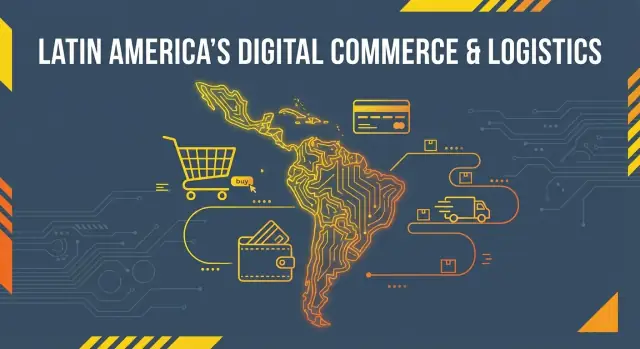
Why MercadoLibre Became a Platform (Not Just a Marketplace)
MercadoLibre started as a place where buyers and sellers could find each other. But it didn’t stop at “list items, process orders, take a fee.” It expanded into a platform: a marketplace tightly connected to payments (Mercado Pago) and shipping (Mercado Envíos), designed to make each transaction easier, safer, and more repeatable.
Marketplace + payments + shipping (in plain terms)
A marketplace matches demand (buyers) with supply (sellers). A platform goes further: it removes the biggest points of friction around that match.
- Payments solve “How do I pay quickly and safely?”—even if I don’t have a credit card.
- Shipping solves “How do I receive it reliably?”—even when delivery networks are uneven.
- Marketplace rules and tools solve “Can I trust this seller (or buyer)?” and “Can sellers grow without a full operations team?”
Why Latin America created the opening
In many Latin American markets, ecommerce faced practical barriers: lower card penetration, less consistent banking access, and logistics challenges that vary by region. Those gaps didn’t just slow online shopping—they created demand for an integrated system that could provide payments, delivery, and protections in one experience.
What “dominant platform” means (without hype)
“Dominant” doesn’t mean unbeatable. It means the service becomes the default choice for many users because it consistently offers better outcomes: more ways to pay, more reliable delivery, and a safer environment—bringing more buyers and sellers back again.
The three flywheels to watch
This article uses three reinforcing loops:
- Trust: protections and predictable experiences reduce risk.
- Convenience: smoother payment and delivery reduce drop-off.
- Selection: better seller economics attracts more inventory.
Next, we’ll map the basic two-sided marketplace dynamics in /blog/marketplace-basics-two-sided-dynamics.
The Marketplace Basics: Two-Sided Dynamics in One View
MercadoLibre starts with a simple exchange: buyers want choice and reliable delivery, and sellers want demand and an easy way to fulfill orders. The marketplace becomes more valuable when you view it as a multi-sided platform with several groups connected through the same flow of transactions.
The key sides (and what each one wants)
- Buyers: broad selection, fair prices, fast delivery, and confidence they’ll get what they ordered.
- Sellers (brands, SMBs, resellers): traffic, conversion, tools to run their business, and predictable costs.
- Couriers and logistics partners: steady shipment volume and efficient routes.
- Merchants (off-marketplace businesses): payment acceptance and financial services that help them sell and manage cash flow.
- Advertisers (often the sellers themselves): visibility to the right shoppers at the right moment.
The value exchange: who pays and who benefits
Buyers typically “pay” with money and attention; in return, they get selection, convenience, and protections. Sellers pay through fees, shipping services, and optional ads, but benefit from access to demand and a trusted checkout experience. Couriers get volume; MercadoLibre gets improved delivery performance. Advertisers pay for placement; buyers benefit when ads improve discovery (and lose trust if ads feel irrelevant—so incentives must stay balanced).
Why two-sided network effects compound
When more sellers join, the catalog expands—more brands, sizes, conditions, and price points. That improves buyer value because shoppers are more likely to find exactly what they want in one place.
When more buyers shop, sellers see higher sales potential and faster inventory turnover. That makes the platform more attractive for new sellers—and motivates existing sellers to list more products and invest in better service.
That self-reinforcing loop is the marketplace engine MercadoLibre builds on.
What Makes Latin America Different for Ecommerce
Ecommerce fundamentals are universal—buyers want selection and safety, sellers want demand and predictable costs. What changes in Latin America is the intensity of a few everyday frictions that can break an online purchase long before “add to cart” becomes a delivered package.
The friction points that matter most
Three issues show up repeatedly across the region:
- Fraud risk and low trust: fear of scams, counterfeit goods, or “item not as described” disputes can keep new users from trying online shopping at all.
- Low card penetration (and uneven banking access): many shoppers don’t have credit cards, have low limits, or prefer not to use them online.
- Slow or unreliable delivery: long transit times, missed deliveries, and unclear tracking can turn a first purchase into a last purchase.
Cash habits reshape checkout—and returns
Cash is not just a payment method; it’s a budgeting tool. Many households manage spending in cash and expect flexibility: pay later, pay in installments, or pay at a physical location. That changes product design priorities at checkout (multiple payment options, clear installment terms) and also affects returns and refunds—people want fast resolution even when the original payment wasn’t a card swipe.
Geography and infrastructure aren’t uniform
Distances between major cities can be large, road quality varies, and last-mile delivery can be complicated by:
- inconsistent addressing formats
- gated communities or informal neighborhoods
- security considerations for drivers
Reliability becomes a feature, not a nice-to-have.
What this forces platforms to prioritize
Because these frictions are so consequential, Latin American ecommerce winners tend to invest early in “invisible” infrastructure: trust protections, alternative payments, and logistics control. The product isn’t only the marketplace listing—it’s the confidence that paying, shipping, and resolving problems will work end to end.
Payments as a Growth Engine: What Mercado Pago Unlocks
MercadoLibre’s marketplace growth isn’t only about more listings—it’s also about making every purchase feel easy and safe. Mercado Pago does that by removing friction at the moment buyers are most likely to abandon: checkout. When payment is embedded and familiar, fewer steps mean fewer drop-offs—especially in markets where entering card details, dealing with bank redirects, or worrying about fraud can slow people down.
Trust through “escrow-like” flows
A big part of Mercado Pago’s value is confidence. Conceptually, an escrow-style setup (where funds are handled in a controlled flow rather than directly between strangers) reassures both sides: buyers feel protected if something goes wrong, and sellers feel confident they’ll be paid if they ship as promised.
Dispute handling and refunds matter here. A clear path for issues—non-delivery, wrong item, damaged goods—reduces the perceived risk of buying online. That perceived risk is often the real barrier to first-time purchases.
A wallet that increases repeat buying
Once users adopt a wallet, the marketplace becomes “one tap away.” Stored balances, saved cards, and a familiar payment screen can turn occasional shoppers into repeat customers. A wallet also supports smaller, frequent purchases by making payment feel lightweight.
Data that improves decisions
Payments generate signals: successful transactions, chargebacks, timing, device patterns. At a high level, that data can improve risk scoring (reducing fraud and false declines) and support personalization—showing relevant offers or payment options—without requiring buyers to re-explain who they are each time.
Logistics as a Growth Engine: Why Mercado Envíos Matters
Mercado Envíos isn’t just a shipping add-on—it’s a conversion lever. When buyers see a delivery date they can trust (and the price is clear upfront), they hesitate less. Faster, more predictable shipping reduces cart abandonment, increases repeat purchases, and makes “buy now” feel safe—especially in regions where delivery reliability can vary block by block.
Speed and predictability drive conversion
Online shoppers don’t only care about “fast.” They care about certainty: a promised window, tracking that updates, and fewer surprises. Search rankings and badges that highlight reliable shipping effectively turn logistics performance into demand.
Sellers who can ship quickly get more visibility, which pushes them to adopt Mercado Envíos—creating a self-reinforcing loop.
Fulfillment: warehousing, pick/pack, and smart inventory placement
Mercado Envíos can improve delivery outcomes by moving beyond labels and drop-offs into fulfillment basics:
- Warehousing: storing inventory closer to demand centers
- Pick/pack: standardizing how items are selected, packaged, and handed to carriers
- Inventory positioning: placing best-selling SKUs in the right nodes to shorten routes
This matters because many sellers are small businesses without optimized operations. By offering shared infrastructure, the platform can deliver “enterprise-grade” logistics to long-tail merchants.
Last-mile reality in Latin America—and how partnerships help
The last mile is often the hardest: dense cities, informal addressing, security concerns, and inconsistent carrier coverage. Rather than relying on a single carrier network, partnerships with local couriers, pickup/drop-off points, and flexible delivery options (like lockers or collection hubs) can improve reach and reduce failed deliveries.
Better logistics expands what can be sold online
Reliable shipping isn’t only about convenience—it expands the product mix. Categories like electronics, home goods, beauty, and even some grocery and bulky items become more viable when delivery times, handling quality, and returns are manageable. As more categories work online, the marketplace gets deeper, and buyers have more reasons to start (and finish) their shopping on MercadoLibre.
Trust and Safety: The Hidden Infrastructure Behind Scale
Marketplaces don’t scale on selection alone—they scale on confidence. When buyers believe “it will arrive, it will match the listing, and I can fix it if it doesn’t,” they shop more often, try new sellers, and place higher-value orders. That steady repeat behavior is what turns a marketplace into a habit.
Buyer protection, returns, and fair dispute resolution
MercadoLibre’s trust system is built around clear expectations: what happens if an item never arrives, arrives damaged, or isn’t as described. A well-designed flow for returns and disputes does two things at once.
First, it reduces the psychological risk of buying from a seller you’ve never met. Second, it keeps conflicts from spilling into messy private negotiations that can sour the experience for both sides. When policies are predictable—and consistently enforced—buyers feel safe experimenting, and sellers know what “good behavior” looks like.
Ratings, reviews, and seller standards as quality signals
Reviews and ratings aren’t just social proof; they’re a sorting mechanism. They help buyers quickly distinguish reliable sellers from risky ones without reading every detail. Seller standards (for example, shipping performance, cancellation rates, or responsiveness) create incentives to deliver a dependable experience.
The key is that these signals must be meaningful: hard to fake, easy to understand, and tied to outcomes buyers care about.
Anti-fraud and identity verification as everyday platform hygiene
Fraud prevention works best when it feels almost invisible to honest users. Identity checks, account monitoring, and safeguards against suspicious behavior protect both buyers and sellers while keeping the marketplace usable. Done well, these measures reduce scams, fake listings, and payment disputes—problems that otherwise erode trust quickly.
How trust lowers customer acquisition costs over time
As trust rises, the marketplace needs less “convincing” to earn a sale. More purchases come from repeat users and word-of-mouth, which reduces reliance on expensive promotions. Over time, that trust becomes a compounding asset: each safe transaction makes the next one easier.
Seller Economics: Tools and Incentives That Increase Supply
A marketplace grows when sellers can make money reliably—and when it’s easy for new sellers to start without sacrificing customer experience. MercadoLibre’s approach is to reduce seller operating friction while actively steering behavior toward fast delivery, accurate listings, and consistent service.
Onboarding that pushes quality (not just quantity)
Getting listed is only the first step. MercadoLibre encourages sellers to use structured product data—clear titles, correct attributes, and strong photos—so items are easier to compare and search. In many categories, a shared catalog model reduces duplicate listings and builds buyer confidence (“this is the exact product”), which helps conversion and lowers return-related headaches.
Tools that let small sellers act like retailers
Many sellers in Latin America are small businesses without sophisticated systems. MercadoLibre fills those gaps with tools that simplify day-to-day operations: inventory management, shipping label generation, integration options for external systems, and performance dashboards that translate marketplace rules into actionable tasks.
When sellers can forecast demand, avoid stockouts, and process orders faster, the platform gains more availability and fewer cancellations.
Incentives—and penalties—that shape reliability
Seller programs typically reward behaviors that buyers value: on-time shipping, low defect rates, responsive messaging, and accurate product descriptions. Benefits can include higher visibility, better conversion, and access to fulfillment options.
On the flip side, late dispatches, frequent cancellations, or misleading listings can trigger reduced exposure, loss of badges, or other restrictions. The goal isn’t punishment for its own sake—it’s to protect buyer trust while nudging the entire supply base toward consistent standards.
Success programs that expand selection
By coaching sellers on pricing, catalog quality, and fulfillment choices, MercadoLibre helps them grow sales—and that growth attracts more sellers. More selection and better availability then pull in more buyers, reinforcing the supply side of the marketplace.
Advertising and Discovery: Monetizing Without Breaking Trust
MercadoLibre’s ads business is best understood as “paid discovery” inside a high-intent shopping environment. When a buyer searches for “wireless earbuds” or browses a category, they’re already signaling intent—so small improvements in how products are surfaced can meaningfully increase conversion for sellers and satisfaction for buyers.
Sponsored listings that (ideally) feel like better search
Sponsored listings can help relevant products reach the top of results, especially in crowded categories where many items look similar. For sellers, it’s a way to buy visibility quickly—useful for launching new products, clearing seasonal inventory, or competing against established brands.
For buyers, the promise is simple: fewer dead ends. If the ad system prioritizes items that are actually likely to ship fast, match the query, and earn good ratings, “ads” can feel less like interruption and more like improved sorting.
Why ads get more valuable as intent concentrates
Advertising becomes more powerful as MercadoLibre’s marketplace attracts more shoppers and more searches. With scale, the platform captures richer signals—search terms, price sensitivity, conversion rates, delivery preferences—so it can better match buyers to products.
That creates a compounding effect: more traffic increases ad performance, which attracts more seller spend, which gives sellers more reason to list and compete, which improves selection for buyers.
The core trade-off: relevance vs. monetization
There’s a limit. If ad load gets too high or sponsored results crowd out the best organic options, buyers lose trust and sellers see lower long-term returns.
The practical safeguard is keeping ads aligned with marketplace health metrics: buyer satisfaction, on-time delivery, returns, and repeat purchase—not just short-term clicks.
Ads funding the “invisible” quality upgrades
A well-run ads layer can subsidize improvements that buyers feel indirectly: faster shipping options, stronger buyer protection, and better dispute resolution. In other words, monetization doesn’t have to degrade experience—if incremental ad revenue is reinvested into the parts of the platform that reduce risk and friction for everyone.
The Flywheel Effect: How Payments and Logistics Reinforce the Marketplace
MercadoLibre’s advantage isn’t just “more users.” It’s multiple reinforcing loops that accelerate each other. The marketplace attracts activity, and then payments and logistics turn that activity into a better experience—bringing even more activity back.
Loop 1: Buyers and sellers feed selection
More buyers attract more sellers because there’s demand.
More sellers mean broader selection and better prices.
Better selection pulls in more buyers, and the loop repeats: more buyers → more sellers → better selection → more buyers.
Loop 2: Orders improve delivery, delivery increases orders
As orders grow, MercadoLibre can invest more in fulfillment centers, route density, carrier partnerships, and last‑mile coverage.
That makes delivery faster and more reliable, which reduces cart abandonment and increases repeat purchases: more orders → better logistics → faster delivery → more orders.
Loop 3: Payments increase trust and purchasing power
A smoother checkout raises conversion, but the bigger impact is trust and access.
When more transactions run through Mercado Pago, MercadoLibre can strengthen fraud prevention, offer better buyer protections, and (in many markets) expand credit options for consumers and working capital for sellers. That supports more purchasing: more payments → more trust/credit access → more purchases.
Why combining loops compounds the advantage
Each loop makes the others stronger. Better logistics makes buyers more willing to pay (and pay digitally). More Mercado Pago usage reduces risk, which encourages sellers to list higher‑value items and ship more confidently. More listings and orders increase route density, lowering delivery costs per package.
Competitors can copy one piece—marketplace, payments, or shipping—but integrating all three creates compounding gains that are hard to match in both speed and economics.
How the Business Model Works: Revenue Streams and Cost Trade-offs
MercadoLibre isn’t monetizing a single product—it’s earning from multiple “tolls” across the same buyer–seller journey. That matters because each toll can support the others (for example, subsidizing faster delivery to drive more purchases).
Where revenue can come from
A simple way to view the revenue stack is to follow an order from discovery to delivery:
- Marketplace fees: charges tied to listing upgrades and/or a cut of each completed sale. This is the core monetization of matching buyers and sellers.
- Shipping and fulfillment services: sellers may pay for labels, fulfillment, storage, and value-added logistics. Even when shipping is discounted, it can still be a lever to increase conversion.
- Payments and fintech (Mercado Pago): processing fees, merchant services, and (in some cases) credit-related income. Payments can monetize not only marketplace orders but also off-platform commerce.
- Ads and sponsored visibility: sellers pay for better placement and traffic. Done well, ads become “paid discovery” without harming trust.
What drives costs (and why it’s not linear)
The biggest cost buckets tend to be:
- Logistics operations: warehouses, sorting, last-mile delivery partners, reverse logistics, and service-level guarantees.
- Fraud, chargebacks, and buyer protection: preventing bad actors, reimbursing customers, and handling disputes.
- Customer support: resolving delivery issues, payment failures, and returns at scale.
Margin trade-offs without the math
Scale can lower per-order costs (better routing, fuller trucks, more efficient fulfillment). But it also raises complexity: more categories, more edge cases, and higher expectations for speed and protection. The practical trade-off is deciding when to optimize for growth (investing in shipping speed, payment adoption, and protections) versus profit per transaction (higher take rates, tighter subsidies, stricter risk controls).
Competitive Pressures and Risks to Watch
MercadoLibre’s advantage isn’t guaranteed. Its model depends on keeping the marketplace, payments, and logistics engines working in sync—while defending against competitors and managing risks that can show up fast in Latin America.
External competition: more ways to buy and sell
Competition comes from multiple directions at once. Local retailers keep improving their own ecommerce and pickup options. Global marketplaces push aggressive pricing, cross-border selection, and Prime-like expectations. Social commerce (selling via Instagram, WhatsApp, TikTok, and live streams) can pull casual sellers away by offering simpler setups—often at the cost of weaker buyer protection.
The strategic risk: if buyers start product discovery elsewhere, MercadoLibre has to spend more on incentives (shipping subsidies, coupons, ads) to keep traffic and conversions.
Operational risks: delivery reliability, fraud, and service quality
Logistics is a brand promise. Late deliveries, damaged items, and inconsistent last-mile partners hurt repeat purchases. Fraud evolves too: fake listings, chargebacks, account takeovers, and “friendly fraud” can increase costs and force tighter controls that frustrate legitimate users.
As the platform scales, service quality becomes a competitive battleground—especially when consumers compare it to big-box retail standards.
Regulatory and macro risks: rules and volatility
Payments and lending face changing regulations: KYC/AML requirements, fee caps, limits on wallet balances, or tax reporting rules. Add inflation, currency swings, and economic shocks, and you get pressure on consumer spending and on the credit performance of any financing products.
Platform risks: fees vs. growth
MercadoLibre must balance buyer experience with seller fees. Raising take rates or ad load can improve short-term revenue, but can also push sellers to alternative channels, reduce selection, or increase prices—weakening the very flywheel that drives long-term growth.
Key Takeaways: A Simple Framework to Analyze Marketplace Platforms
To judge whether a marketplace is “just a listing site” or a compounding platform, look for flywheel components that make each new buyer/seller cheaper to acquire and safer to serve.
A quick checklist of platform strength
A marketplace platform tends to win when it combines:
- Integration: payments, shipping, returns, and support are built-in (fewer drop-offs).
- Data advantage: better fraud detection, credit decisions, and search ranking because activity is captured end-to-end.
- Trust infrastructure: buyer protection, dispute resolution, identity checks, and transparent tracking.
- Scale economics: faster delivery networks, lower payment costs, and better conversion due to familiarity.
Questions to evaluate any marketplace
Ask these five questions and compare platforms side by side:
- Where does the flywheel start? (more buyers, more sellers, better conversion, or lower costs?)
- What gets cheaper with scale? (acquisition, delivery, fraud losses, customer support)
- What increases trust fastest? (guarantees, on-platform messaging, shipping visibility, returns)
- Who owns the key “moments” of the purchase? (checkout, shipping label, financing)
- What’s hardest to copy? (local logistics density, risk models, merchant tools, brand trust)
Practical takeaways for merchants choosing channels
If you’re deciding where to invest time and budget, prioritize the channel where you can:
- Reach buyers with intent (strong search and recommendations)
- Improve conversion via fast, predictable delivery and clear policies
- Protect margins by understanding the true take rate (fees + ads + shipping subsidies)
- Build repeat business: keep an eye on what customer data you can retain
Practical takeaways for builders
If you’re building a product that needs marketplace-style flywheels (or any multi-sided workflow that combines checkout, operations, and support), the big lesson is that “the platform” is often the unglamorous plumbing: integrated payments, logistics-like fulfillment workflows, risk controls, and rollback-safe operations.
Teams exploring faster ways to prototype and ship these workflows sometimes use vibe-coding platforms like Koder.ai to generate a React web app, a Go backend with PostgreSQL, and iterate in a chat-based planning mode—especially when you want to test platform mechanics (onboarding, dispute flows, tracking, dashboards) before investing in a full build pipeline.
For more frameworks like this, browse /blog. If you’re comparing selling costs and tooling, see /pricing.
FAQ
What’s the difference between a marketplace and a platform in MercadoLibre’s case?
A marketplace mainly matches buyers and sellers and takes a fee. A platform removes the biggest frictions around that match by integrating things like:
- payments (safer checkout, more ways to pay)
- shipping (reliable delivery and tracking)
- trust systems (protections, disputes, standards)
The result is a more repeatable end-to-end experience, not just listings.
Why did Latin America create an opening for an integrated ecommerce platform?
Latin American ecommerce often faces higher “deal-breaker” frictions:
- lower card penetration and uneven banking access
- less reliable logistics and last-mile delivery
- higher perceived fraud risk and lower baseline trust
An integrated system (marketplace + payments + shipping + protections) solves these problems in one flow, which can accelerate adoption.
What does “dominant platform” mean here without the hype?
It means the product becomes a default choice for many users because it reliably delivers better outcomes (payment options, delivery certainty, dispute resolution). It’s not “unbeatable”—it’s a position earned through consistent performance that keeps buyers and sellers coming back.
What are the three flywheels, and why do they matter?
The three reinforcing loops are:
- Trust: protections and predictable outcomes reduce perceived risk.
- Convenience: smoother checkout and reliable delivery reduce drop-off.
- Selection: better seller economics attract more inventory.
When these improve together, each new transaction makes future transactions easier and cheaper to win.
How does Mercado Pago increase trust at checkout?
An escrow-like flow means the platform manages the payment process so buyers don’t feel like they’re paying a stranger directly, and sellers have clearer assurance they’ll be paid if they fulfill correctly.
Practically, it reduces hesitation at checkout and makes disputes/refunds less chaotic, which boosts first-time purchases and repeat buying.
Why does a digital wallet increase repeat purchases?
A wallet reduces friction:
- saved payment methods or stored balance can make checkout feel “one tap”
- familiar flows reduce abandonment
- it supports smaller, frequent purchases by lowering the mental effort of paying
It also creates more transaction data that can improve fraud controls and risk decisions over time.
How does Mercado Envíos directly improve marketplace conversion?
Reliable delivery acts like a conversion feature:
- clear delivery dates and upfront costs reduce cart abandonment
- tracking and predictable windows reduce anxiety
- strong logistics performance can be rewarded in rankings/badges, pushing sellers to adopt the shipping system
More orders then justify more logistics investment, reinforcing the loop.
What’s the role of fulfillment (warehousing and pick/pack) versus just shipping labels?
Fulfillment adds shared infrastructure so small sellers can operate like larger retailers:
- warehousing closer to demand
- standardized pick/pack
- smarter inventory positioning
It typically improves speed, reduces errors, lowers cancellations, and can make new categories viable online—expanding what buyers can confidently purchase.
How does MercadoLibre shape seller behavior without hurting supply growth?
Good seller economics usually come from reducing operating friction and rewarding reliability:
- tools: inventory, labels, integrations, dashboards
- incentives: more visibility and access to better shipping/fulfillment for strong performance
- penalties: reduced exposure or restrictions for late shipping, cancellations, or misleading listings
The goal is consistent buyer experience while keeping selling profitable enough to expand selection.
How can MercadoLibre monetize with ads without breaking buyer trust?
Ads work best as “paid discovery” when they improve relevance, not just revenue:
- keep sponsored results aligned with marketplace health (delivery, returns, satisfaction)
- avoid ad load that buries the best organic options
- use ads for crowded categories and launches, but protect buyer trust long-term
If ads feel like clutter, buyers leave and sellers’ returns decline—hurting the whole flywheel.